How to Identify Fish: A Beginner's Guide
Whether you just caught something unfamiliar on your fishing line, spotted an unusual fish while snorkeling, or simply want to sharpen your angling knowledge, this guide will teach you how to identify fish with confidence.
Why Fish Identification Matters
Knowing what fish you've caught isn't just satisfying — it's often required by law. Many states have specific size and bag limits for individual species. Catching a fish you can't identify means you might unknowingly keep an undersized protected fish or release one that's legal to keep and delicious to eat.
Beyond legal reasons, accurate fish identification opens up a world of knowledge about ecology, habitat, and fishing techniques. Once you know what species you're targeting, you can research exactly where they live, what they eat, and what time of year they're most active.
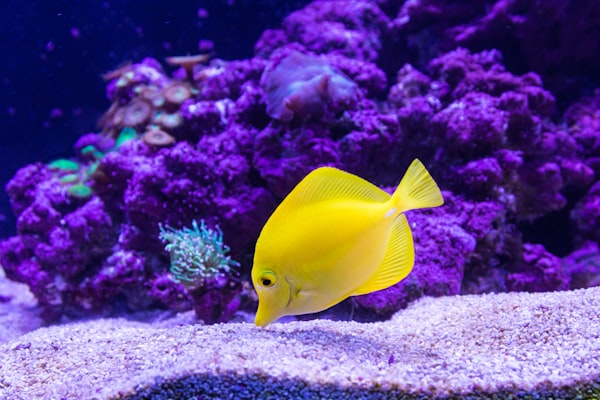
Step 1: Look at Body Shape
The overall body shape is your first clue. Fish have evolved different body forms for different lifestyles:
- ▸Torpedo/fusiform shape: Sleek, streamlined bodies like tuna and bass indicate fast-swimming open-water predators
- ▸Deep, compressed body: Flattened from side to side, like bluegill and crappie, typical of fish that live in vegetation
- ▸Flat body: Flounder, halibut, and other flatfish that lie on the bottom
- ▸Elongated body: Pike, needlefish, and gar — built for ambush predation
Step 2: Count and Examine the Fins
Fins are one of the most reliable ways to identify fish families. Here's what to look for:
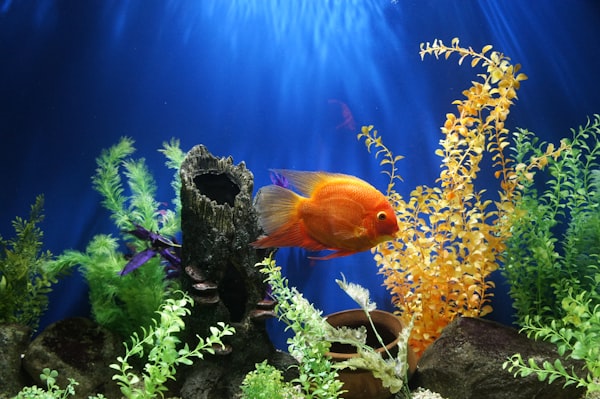
Step 3: Study the Color and Pattern
Color is often striking and memorable, but be cautious — coloration can change dramatically between juvenile and adult fish, between breeding and non-breeding seasons, and between individuals. That said, distinctive patterns are useful:
- Horizontal stripes: Striped bass, white bass, and yellow perch all have horizontal stripes
- Vertical bars: Yellow perch has dark vertical bars on a yellow body
- Spots: Rainbow trout has black spots; red drum has a distinctive black spot at the tail base
- Lateral line markings: Many species have a dark stripe along the lateral line
Step 4: Note the Habitat
Where you catch a fish is a huge clue to its identity. Ask yourself:
- 🏞️ Is it in a cold mountain stream or a warm shallow lake? (trout vs. bass territory)
- 🌊 Is it in the ocean near a reef, in open water, or in a coastal estuary?
- ⬇️ Was it caught near the surface or on the bottom?
- 🌱 Was it near vegetation, rocks, or open water?
For example, catching a bass-shaped fish in a cold, clear, fast-flowing river likely means you've got a smallmouth bass, not a largemouth bass, which prefers warmer, weedy water.
Step 5: Check the Mouth and Teeth
The mouth tells you a lot about how a fish feeds, which is key to identification:
- Superior mouth (pointing up): Surface feeder — shad, minnows
- Terminal mouth (pointing forward): Mid-water predator — bass, pike
- Inferior mouth (pointing down): Bottom feeder — catfish, carp, suckers
- Teeth type: Canine teeth (pike, walleye) vs. small teeth (bluegill) vs. no teeth (carp)
The Easiest Method: AI Fish Identification
All the above techniques require practice and a good field guide. But there's now a much faster way: use a fish identifier app powered by artificial intelligence.
Modern AI fish identification apps like Fish Identifier: AI Scanner can analyze a photo of any fish and instantly identify it, often to the specific species level. The AI has been trained on thousands of fish images and can detect the subtle color patterns, fin shapes, and body proportions that human eyes might miss.
Try AI Fish Identification
Take a photo of any fish and get an instant identification, habitat info, diet details, and more.
📱 Download Fish Identifier — FreeKey Features to Learn for Common Fish Families
Bass (Centrarchidae)
Look for the spiny first dorsal fin connected to a soft second dorsal fin. Largemouth bass has a mouth extending past the eye; smallmouth bass does not.
Trout & Salmon (Salmonidae)
Look for the adipose fin — a small, fleshy fin just in front of the tail. All trout, salmon, and char have this feature.
Catfish (Ictaluridae)
Smooth, scaleless skin and 8 barbels (whiskers) around the mouth. North American catfish also have sharp spines in the dorsal and pectoral fins.
Pike (Esocidae)
Duck-bill snout, elongated body, single dorsal fin placed far back. Pike has vertical bars; muskellunge has no pattern or variable patterns.
Sunfish (Lepomidae)
Round, compressed bodies with a distinctive "ear" flap on the gill cover. Bluegill has a dark black ear flap; pumpkinseed has an orange/red center in the ear flap.
Tuna (Scombridae)
Look for finlets — small fins between the second dorsal and tail. Yellowfin tuna has bright yellow finlets; albacore has very long pectoral fins.
Practice Makes Perfect
The best way to get good at fish identification is to look at a lot of fish. Browse our fish species database with 35+ detailed profiles. Study the photos, read the identification tips, and soon you'll be identifying fish at a glance.
Ready to put your skills to the test? Check out our guides on the most common freshwater fish in North America and the key differences between saltwater and freshwater fish.